

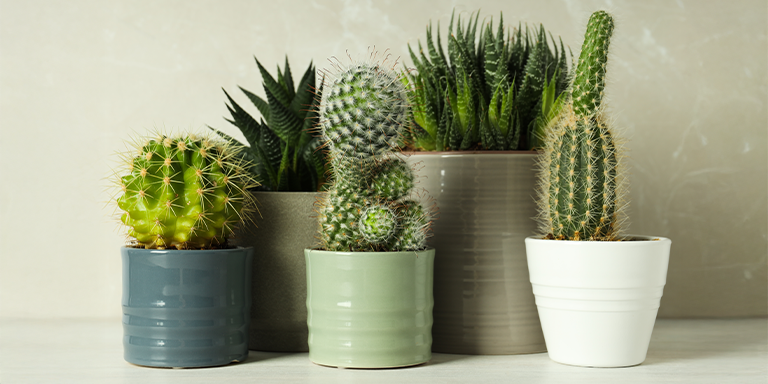
Small cacti plants are delightfully unassuming to suit the tone of modern homes. They will remain small, thrive happily indoors, and will add subtle character to desktops and shelving, and even on window sills. Unlike finicky houseplants, a cactus plant is formed by necessity: it grows slowly, stores water within its stems, and remains resilient even when you forget to water it every now and then. This blog combines all that you need to know about indoor cactus plants: what they are, how they grow, their benefits, their varieties, and how to choose the right ones for your home.
What is a cactus plant?
The cactus plant is a type of succulent that retains water inside its thick stems, which helps it to survive in dry and harsh places. No soft leaves, just protective spines, and a surface structure that loses as little water as possible characterize these plants. Their ability to retain moisture in their tissues makes them perfect for indoor settings when watering may not be as regular. From tall column-like species to tiny round ones, the cactus succulent plants come in shapes that feel almost sculptural. Small ones, especially, are perfectly suitable for indoor spaces, including homes and offices, since they grow pretty slowly, remain neat, and require minimum care.
Characteristics of Cactus Plants
Over time, cactus plants have developed special features distinguishing them from other succulent plants.
Key characteristics are as follows:
- Thick, fleshy stems acting as water reservoirs.
- Spines instead of leaves help reduce moisture loss.
- Bodies ribbed or rounded, which swell up when the plant stores water.
- Slow, steady growth; perfect for growing indoors where space is limited.
- Excellent drought tolerance, needs very little water.
- Ability to grow in poor soil, so long as drainage is good.
- Long life spans, even in home settings.
These natural adaptations make indoor cactus plants some of the most resilient houseplants you can grow.
Benefits of Cactus Plants
The cactus plant is not just beautiful; it also has several meaningful benefits:
- Low maintenance: They thrive on neglect and don’t require constant watering.
- Air purification: Most of the varieties of cactus improve indoor air quality.
- Mental calmness: The simplicity of the shapes will give rooms a clean, clutter-free feel.
- Space-friendly: Small cacti go well in compact apartments and working spaces.
- Decorative appeal: Their unique forms add character to shelves, tables, and window corners.
- Evergreen beauty: They retain their shapes during the year with very minimal changes.
Whether you’re new to having plants or you already have a collection, cacti are really easy to fit into everyday life.
Types of Indoor Cactus Plants
There are numerous types of indoor cactus plants that do well indoors. Among the most popular include
- Bunny Ear Cactus: Adorable round cactus with oval pads and harmless soft spines.
- Golden Barrel Cactus: Spherical, ribbed, striking, perfect as a statement piece.
- Haworthia Cactus: Small, patterned, and suited to desks and shelves.
- Mammillaria: Round, clustered, and often dotted with tiny cactus flower plants.
- Christmas Cactus: A leafy cactus that blooms beautifully during winter.
- Moon Cactus – A colorful grafted cactus brightening your interior environment.
These varieties stay small, grow slowly, and adapt wonderfully to indoor conditions.
Adaptation of Cactus Plants
Cacti survive in harsh climates because of smart natural adaptations:
- Water storage: their stems act like built-in tanks.
- Leaf surface is minimal to reduce water loss.
- Protective spines: These keep animals away and provide shade.
- Performing photosynthesis efficiently: They absorb carbon dioxide at night to conserve water.
- Strong rooting systems that spread widely to quickly absorb rain.
These adaptations are the reason cactus plants do so well indoors, they don’t depend on constant care or perfect conditions.
Uses of Cactus Plants
Cactus plants serve more than just decor purposes:
- Home décor: Their shapes add structure to modern interiors.
- Tabletop plants are great for study spaces or office desks.
- Gifting: Symbolize endurance and long life.
- Stress relief: Looking after them is soothing and very grounding.
- Showcase Academic use: perfect for teaching children how plants survive and adapt.
Cacti naturally fit into apartments with small spaces or with a minimalist décor style.
How to grow cactus plants at home
Growing cactus plants at home is quite simple if you set the right conditions:
- Choose the right pot: The use of pots with drainage holes will prevent waterlogging.
- Use well-draining soil: A cactus potting mix works best.
- Choose the right location: Most indoor cacti do well under bright, indirect light.
- Water wisely: Water only when soil feels completely dry.
- Avoid cold drafts. Cacti prefer warm and stable indoor temperatures.
- Start small: Smaller cactus succulent plants acclimate to indoor life more easily.
Once they are settled in, cactus plants tend to grow at a gentle pace and remain easy companions.
Caring for Indoor Cactus Plants
Taking care of cactus plants at home doesn’t require much effort, merely habit. Here’s how to keep them healthy:
- Rotate the plant: Encourages it to grow evenly.
- Avoid overwatering: the number one cause of plant failure.
- Prune dried parts of the plant: This keeps the plant clean and prevents the occurrence of diseases.
- Check sunlight: Place them near windows, but avoid harsh afternoon light.
- Use breathable pots: Terracotta works best since it stops moisture from building up.
- Feed Occasionally: A mild cactus fertilizer once or twice a year is sufficient.
These simple steps keep your cactus plants fresh and vibrant all the time.
Good for beginning gardeners, these cacti are perfect to begin with:
Small Cactus Plants are Best for Homes
- Haworthia: compact, hardy, and forgiving of occasional neglect.
- Bunny Ear Cactus: Cute, sculptural, and great for sunny windows.
- Moon cactus is colorful and cheerful.
- Parodia: Round in shape and low-maintenance.
- Mammillaria: Small clusters that look beautiful in small pots.
These are reliable choices if you want cactus plants that stay small and manageable.
Conclusion
Small indoor cactus plants make home gardening simple, relaxing, and joyful. Their slow growth, resilient constitution, and amazing shapes automatically make them apt for small homes, desk spaces in offices, and bright nooks at window corners. From exploring the various types of cactus plants to understanding their unique adaptations and basic ways to care for them, the realm of cactus plants is relatively easy to deal with. When you bring them inside your home, they quietly add more beauty, balance, and natural texture to everyday surroundings.
FAQ
How often should you water a cactus plant?
Water the cactus only when the soil is entirely dry. Add enough water to allow it to reach the roots, then let any extra water drain out of the container. Overwatering is the most common problem with cacti indoors, so underwatering is always better than overwatering. During winter, they need even less, sometimes just once in three to four weeks.
Are cactus plants good for home décor and well-being?
Yes, cactus plants bring fresh simplicity to home decoration. The shapes add structure and calmness to a room. They also work great in improving the air quality and do very well on small shelves, side tables, and office desks. Since they ask for so little, they’re great for people who have busy schedules or minimal experience with plants.
Can cactus plants grow indoors?
Most species of cactus will thrive indoors, provided they receive very bright light and well-draining soil. Their natural adaptations make them perfect for indoor conditions: slow growth, low water needs, and sturdy structure. They can stay healthy in apartments, offices, and rooms with good natural light, making them great long-term indoor companions.


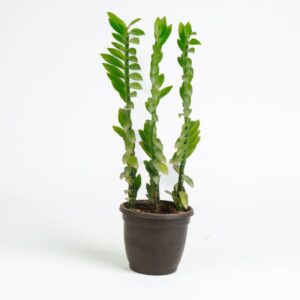 Pedilanthus
  Kalnchoe red
  Succulent
 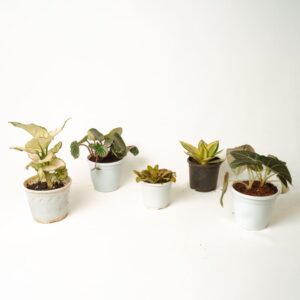 Bundle Of Office Plants - Aglaonema super white, Scindaspus, Fittonia, sanseveria golden and Alocasia black velvet.
  Aglaonema Harlequin
  Succulent
 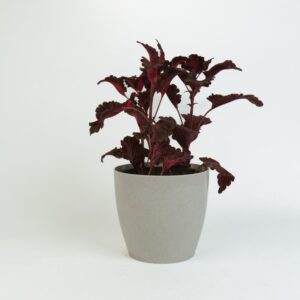 Coleus
 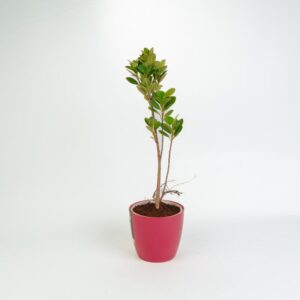 Ficus long island
  Aralia
  Succulent
 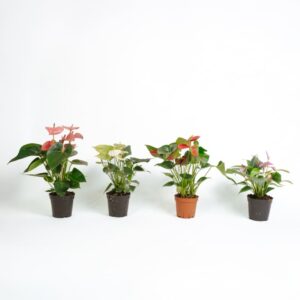 Bundle of Anthuriums. ANY 4 DIFFERENT COLORS AS PER AVAILABILITY
 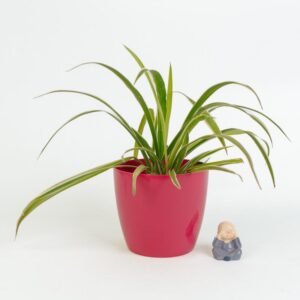 Ribbon grass
  Adenium
 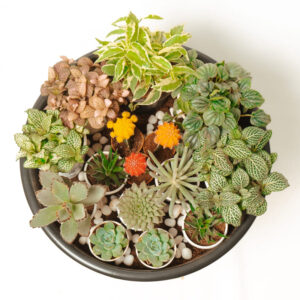 Bundle of succulents - Assorted variety of 12 succulents