
Indoor succulent plants have gained favor in most homes today, keeping to themselves yet commanding attention. They’re simple, neat, and surprisingly expressive for low-maintenance plants. They give that soft, refreshing presence wherever they are placed, on your working desk, shelf in the bedroom, or small window ledge, and don’t require much of your time. If you’ve been longing to bring greenery indoors but somehow didn’t know where to begin, succulents make the task quite easy. The blog below walks you through everything you need to know to understand the plants, choose appropriate varieties, care for them in daily life, and bring healthy succulents online into your home.
What Are Succulent Plants?
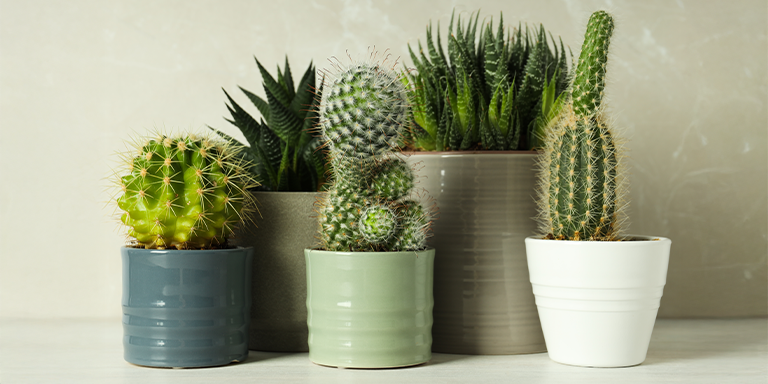
Succulent plants are designed to survive. Their thick, fleshy leaves and stems store water, so they remain healthy even when watered sparingly. Because they originate from dry, sunny climates, they thrive under indoor conditions. Shapes and colors vary greatly; some resemble little sculptures, some have the appearance of flowers, while others grow tall and structured. The truly appealing feature about succulents is how easily they adapt to different homes, lifestyles, and routines.
Benefits of Indoor Succulent Plants
Succulents also offer several benefits that make them the perfect companion to have indoors:
- Low Maintenance: They grow on minimal watering and care.
- Air-Purifying: Some types of these are known to improve air quality indoors.
- Space-Friendly: Perfect for small apartments, workspaces, or shelves.
- Long-lasting: They remain fresh for months with regular but basic care.
- A stress-reducing activity: Greenery around provides a calm and inviting atmosphere.
- Pest-Resistant: They rarely attract insects or pests.
These advantages make indoor succulents very reliable for both beginners in plant cultivation and for experienced ones.
Types of Succulent Plants to Grow Indoors
There are indeed some beautiful succulent plant varieties that an indoor gardener could grow. Here are some that naturally fit indoors and remain easy to handle:
- Jade Plant: Thick leaves, sturdy stems, and a reputation for bringing good luck.
- Aloe Vera: Useful, hardy, and tolerant of occasional neglect.
- Haworthia: compact, patterned, and perfect for desks or shelves.
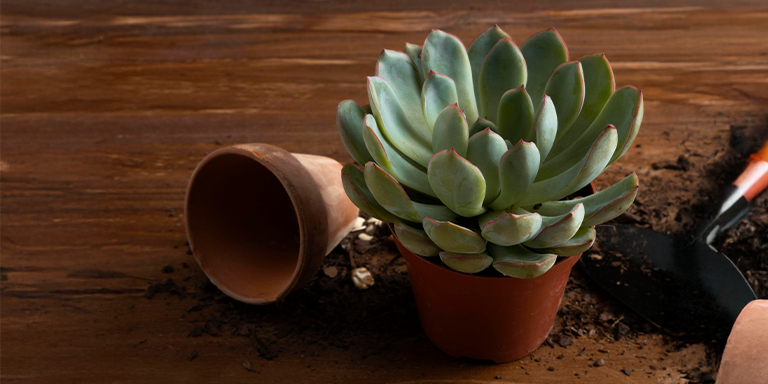
- Echeveria: Succulent plants in a rosette shape with graceful colors.
- Gasteria: These are ideal for poorly lit spots where other succulents may not thrive.
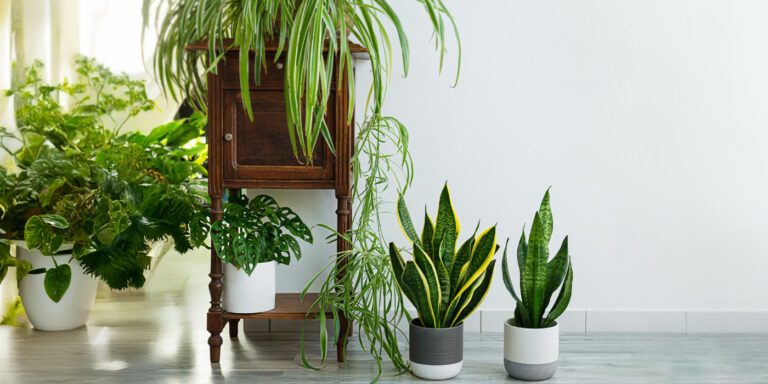
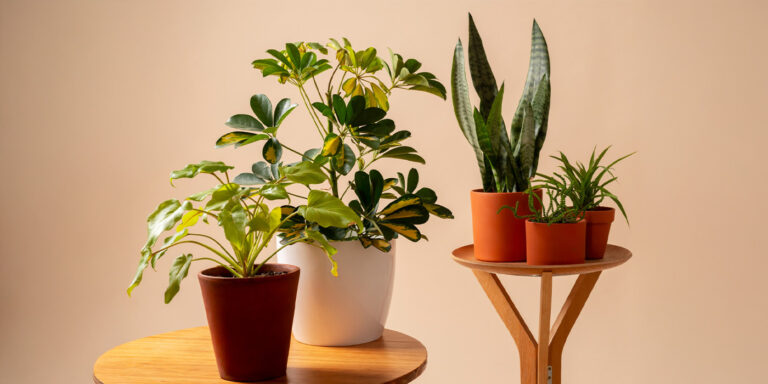
- Snake Plant (Sansevieria): Technically a succulent, great for air purification.
- Panda Plant: The soft, fuzzy leaves add texture to any space.
These varieties stay steady indoors while adding character to your room.
How to Grow Succulent Plants at Home
Growing succulents can be as easy as following a few clear steps at home. Here’s a practical, easy guide:
- Choose the right soil: Use a light, well-draining succulent or cactus mix instead of heavy garden soil.
- Choose pots with drainage: Holes at the bottom prevent waterlogging, which succulents cannot tolerate.
- Placement: Keep them in a bright location where they receive soft, indirect sunlight for a few hours each day.
- Water correctly: Allow the soil to dry out completely before watering again. Deep, infrequent watering keeps them healthy.
- Avoid large pots: Smaller or snug pots support slow, steady root growth and prevent excess moisture.
- Allow air circulation: Good aeration makes the soil dry quickly and keeps the plant fresh.
Regularly check the soil texture and use a more draining mix should it continue to remain wet.
How to Take Care of Succulent Plants
Caring for indoor succulents consists mostly of small, regular habits. These steps help them continue to be at their best:
- Give them gentle light: Place them near a window where the sun is bright but not harsh.
- Rotate occasionally: Turning the pot once every few days encourages even growth on all sides.
- Avoid overwatering: As succulents detest soggy soil, the pot should always drain properly.
- Clean the plant: Remove all the dried or fallen leaves from the base to prevent fungal problems.
- Watch for signs of stress: Stretched leaves mean low light; mushy leaves mean overwatering.
- Use breathable pots: Ceramic or terracotta pots are ideal for allowing moisture to escape.
- Feed lightly: A diluted cactus fertilizer once in a while is enough, they don’t need heavy feeding.
How Do You Propagate Succulents?
Propagation is simple, slow, and very rewarding. Here’s how to start new plants from the ones you already have:
- Choose a healthy part: Take a fresh leaf, offset, or stem cutting from a mother plant.
- Allow to dry: Set the piece aside for 1–2 days, until the cut end has formed a dry callus. This will prevent rot.
- Prepare dry soil: Use dry succulent mix; do not water immediately.
- Place gently on soil: Lay leaves flat or insert the cuttings lightly into the soil.
- Mist sparingly: A light mist every few days, not full watering, encourages root development.
- Give soft light: Keep the tray in bright, indirect sunlight to support slow, steady growth.
- Wait patiently: over a few weeks, tiny roots and baby succulents appear. Once they grow bigger, transfer them into small pots.
Best Indoor Succulent Plants for Beginners
If you’re bringing home succulents for the first time, choose such varieties that adapt quickly and will not strongly react to minor mistakes. Some of the best indoor succulents for beginners are Aloe Vera, Jade Plant, Haworthia, Gasteria, Snake Plant, and Echeveria. All these plants will keep their stability even if occasionally you forget to water them or can’t provide perfect lighting conditions. They’re forgiving, fuss-free, and offer instant confidence to anyone starting their indoor garden journey.
Succulent Plants According to Vastu: Bring Positivity Home
Succulents also find their place inside homes because many people select them according to Vastu. The Jade Plant, for example, is said to bring in prosperity and positive energies, especially when placed near the main entrance. Snake Plants are known to be protective and are good in areas to be used for improving concentration. Aloe Vera is believed to purify and maintain serenity. Whether one believes these or not, strategic placement of succulents often provides a balance and grounding effect in homes.
Buy Succulent Plants Online in India
The most important thing when ordering succulents online is whether they will arrive healthy and mature enough to easily acclimate to living in your home. Dutch Garden has taken the care to grow each succulent, carefully package each one, and ship it in such a way that it should be relatively easy to continue to care for it. You will find many indoor succulents, from compact desk types to more noticeable decorative ones. Each plant is chosen for quality and resilient so that your experience of taking home succulents feels uncomplicated and trustworthy.
Conclusion
Succulent plants offer one of the easiest ways to take nature into your home, and they demand very little time and attention. Their calm presence, resilient nature, and wide variety of shapes and colors make them a joy to grow, especially for beginners. Once you understand their simple needs: light, good soil, and careful watering, they silently thrive in any corner. From adding greenery to your living space to adding serenity to your work environment, succulents blend well with modern lifestyles. As you explore the different types and even propagate some on your own, these plants slowly turn into a comforting, everyday hobby.
FAQs
Do succulents need sunlight?
While they do need sunlight, succulents actually prefer gentle, indirect light instead of harsh, direct sun. Generally, an indoor spot near a bright window where the light stays soft throughout much of the day is the best. If the light gets too intense, they may burn, and if the light is too minimal, the succulents tend to stretch out and become leggy. The ideal amount of filtered light for most indoor succulent plants hovers around 4-6 hours. If your room remains dim, you might try frequent rotation of the plant or add some help with a small grow light. With the proper balance, succulents remain firm, colorful, and healthy year-round.
Is a jade plant a succulent?
The jade plant is a succulent, and it happens to be one of the most popular indoor types. Having thick, shining leaves that store water helps the plant get through spells of dryness with ease. This makes it perfect for people who forget to water plants on time. The jade plant grows pretty slowly and remains compact, it also withstands indoor light conditions well. Many also consider it a sign of prosperity, making it a popular present for homes and offices. With minimal care, a bright spot, occasional watering, and well-draining soil, jade plants can live for years and develop a tree-like shape as they grow older.
How to water succulents?
The “soak and dry” method is quite simple, once you get the hang of it. You will only want to water again when the soil is completely dried out. You can give the plants as much as you like when you water them, just make sure that it reaches the roots, and then let any extra water drain out completely. Do not allow water to sit in the saucer or build up around the leaves. Succulents usually struggle with nothing more than overwatering since it easily causes rot at the roots of these plants. In cooler months, they need even less water. Infrequent and deep watering allows the plant to develop stronger roots and maintain its natural firmness.
Are succulents good for the home?
Yes, succulents are great plants for any home. They require minimum maintenance, are soothing to the eye, and fit well for those who have busy schedules. Their compact size allows them to fit on desks, small shelves, or even in small apartments. Many species also help clean indoor air through their natural filtration process. Since they require less water and an average level of light, it will be easy to include succulents in most indoor activities without much regular care. Their clear, structural look gives a modern touch inside, creating a feel of freshness. Whether what you want is something decorative or a simple way to bring nature inside, succulents are a great choice.
Are succulents indoor plants?
Most of the succulent species thrive so well indoors that they are considered indoor plants. They grow comfortably in moderate, indirect sunlight and require very little watering. This makes them ideal for first-time plant owners and busy homes. Indoors, succulents remain compact and neat, never crowding space and rarely, if ever, requiring replacement into a larger pot. With proper drainage in the soil and infrequent care, they will be healthy all year round. Due to their unique geometric shapes and muted colors, they are very popular for rooms, offices, and study corners. So long as they receive some gentle light and dry soil, they will make great indoor companions for quite some time.