

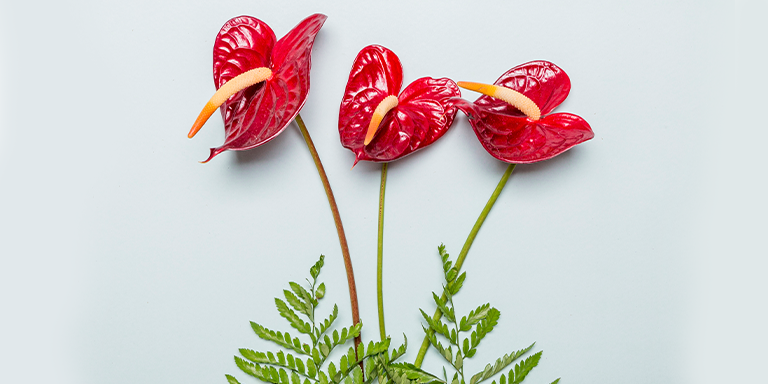
For those who like plants that would look elegant without demanding too much, an Anthurium could easily be one of the most satisfying plants to take home. With its glossy heart-shaped leaves and long-lasting blooms, it instantly brightens any corner. Many people know them for their “wax-like” flowers, but what has truly made them popular is how nicely they can adapt to indoor dwelling given proper care.
This blog will take you through everything, from what Anthuriums really are down to how to care for them, common issues, décor ideas, and their benefits.
What Is the Anthurium Plant? (Anthurium Andraeanum Overview)
Anthurium Plant (andraeanum), commonly referred to as the Flamingo Flower, is a tropical plant native to Central and South America. It thrives in warm, humid environments and naturally grows beneath forest canopies, which is why it adjusts well to indirect indoor light.
Its “flowers” are not true flowers; the colored part is a spathe, while the yellow spike is the spadix. Together, they give the plant its striking, sculptural look. Anthuriums come in shades of red, pink, white, and even deep purple. Their blooms can last for weeks, and sometimes months, which is what makes them one of the most rewarding indoor plants for homes and offices.
Why Anthuriums Are Perfect for Your Home
Anthurium plants have that freshness about them that is instantly uplifting. The shape is naturally elegant, and so they go with modern, minimal, or cozy interiors. More importantly than décor, they fit into small spaces, don’t require constant watering, and will stay green throughout the year.
They become an easy choice for those who love flowering indoor plants but do not want high maintenance. Added to this comes another bonus: their air-purifying quality, especially when ventilation could be a problem in apartments. In short, beauty, low maintenance, long-lasting blooms, and a perfect indoor combination.
Popular Anthurium Varieties for Home & Garden
Though most people see only the classic red version in stores, anthuriums come in many beautiful varieties. Some of the most popular options for indoors include
1. Anthurium Andraeanum : Classic Red Anthurium
This is the variety most people imagine when they hear “red anthurium flower.” It has shiny, heart-shaped red spathes with a bright yellow spadix in the center. What makes it so popular is how striking it looks even in small spaces. It blooms for many months, stays compact, and adjusts well to indoor light. If someone is buying an anthurium for the first time, Andraeanum is usually the easiest and most reliable choice.
2. Pink Anthurium
The Pink Anthurium is a favorite because of its soft, pastel flowers that instantly lighten up a living room or workspace. It has the same shape as the red variety but exudes a calmer, more elegant appeal. A lot of people choose this variety to put in bedrooms or office desks because it looks soothing and fits well with neutral interior colors. Care is almost the same: bright light, slightly moist soil, and regular feeding during the growing season.
3. White Anthurium
The White Anthurium is perfect if your home has a minimal or modern vibe. Their crisp white spathes almost seem to be sculpted and therefore are more décor than an actual plant. This variety often blooms longer than expected and looks great against darker pots or with wooden furniture. It also reflects light quite well, so even the tiniest corner seems brighter with this plant. Like other anthuriums, it does love bright indirect light and humidity.
4. Anthurium Flamingo
The Flamingo Anthurium has a more tropical look, with waxy blooms available in red, pink, or coral shades. They flower more than most, so placing them on balconies and outside shaded areas is commonly done. They have a slightly longer leaf, making them look a little bit fuller. If you like a little drama and want a plant to feel like it’s “on vacation,” this is the perfect choice. It will grow well inside, too, as long as it is in good light and gets regular watering.
Anthurium Plant Benefits You Should Know
Besides the bright flowers, the Anthurium plant does have some practical uses:
- Air Purifier: Helps in minimizing indoor toxins, like ammonia and formaldehyde.
- Improves Humidity: Releases moisture that improves skin, throat, and sinus health.
- Long-Lasting Blooms: Stays colorful for months, unlike rest indoor flowering plants.
- Stress Relief: It’s visually calming and perfect for work desks or bedrooms.
- Adds Color Naturally: It acts like a natural décor element without overpowering the room.
This blend of beauty and function makes it a favorite among plant lovers.
Anthurium Plant Care: How to Keep It Thriving Indoors
Caring for an anthurium might seem complicated, but it is not once you know its tropical nature. It prefers warmth, bright filtered light, and steady, but not excessive, watering.
A simple care routine looks like this:
- Provide bright, indirect light, avoiding direct sun, which will scorch the leaves.
- Use a well-draining potting mix with cocopeat and bark.
- Provide moderate humidity; misting occasionally is helpful.
- Rotate the pot every few weeks for even growth.
- Remove spent flowers to encourage new blooms.
- Small, regular care goes a long way in keeping your anthurium lush and colorful.
Watering & Fertilizing Tips for Healthy Anthurium Growth
The biggest mistake made by most people is overwatering. Anthuriums prefer slightly moist soil, not wet soil. Water only when the top layer feels dry. Too much water invites root rot.
Here’s a simple routine:
- Water once every 5–7 days in summer and 10–12 days in winter.
- Make sure the pot has a drainage hole.
- Liquid fertilizer can be used once a month during the growing season.
- Occasionally wipe the leaves so that they can breathe better.
- Regular feeding gives you larger leaves and brighter blooms.
- Common Anthurium Plant Problems & Solutions
Even healthy anthuriums can get a little stressed. Here are some problems you may have and quick fixes:
- Yellow Leaves: From overwatering, allow it to dry out, and decrease frequency.
- Brown, Crispy Tips: Low humidity or too much sunlight, move to softer light.
- No Flowers: This plant needs more light or light fertilization.
- Drooping Leaves: Often dehydration, give a deep watering.
- Leaf Spots: A fungal issue; improve air circulation, and avoid allowing water to sit on the leaves.
The sooner a problem is caught, the quicker and easier recovery is.
Decorating with Anthurium Indoor Plants
Anthurium plants are naturally stylish, so they’re easy to decorate with. Their shiny flowers look great in:
- Entryway consoles
- Corners of a living room
- Bedside tables
- Office desks
- Bathroom shelves, if there is indirect light
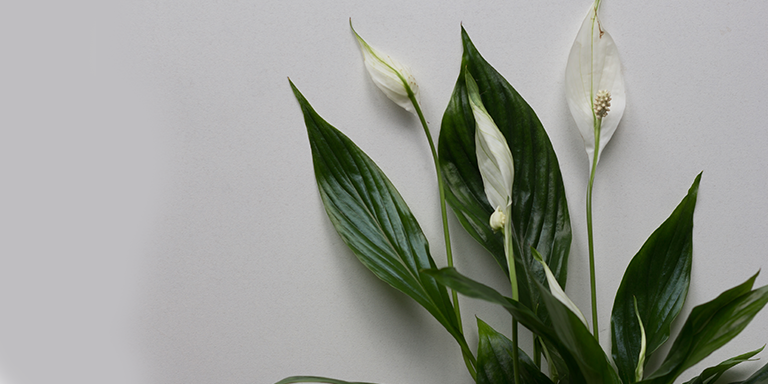
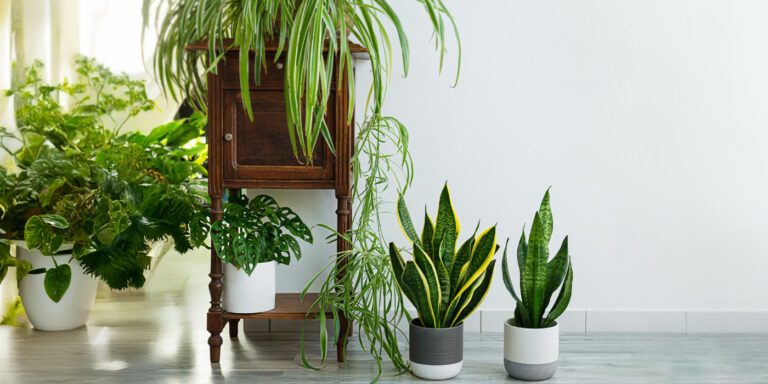
Accent their color with ceramic or textured planters. Make them appear more layered and tropical by placing them with foliage, such as peace lilies or ferns. A single anthurium in the right pot can completely brighten up a room.
Where to Buy the Best Anthurium Plants Online in India
Buying anthuriums online is convenient, but quality matters. Dutch Garden offers healthy, well-rooted anthurium plants grown in controlled conditions. Each plant is packed securely to avoid damage during delivery, and the variety you choose comes exactly as shown. Whether for you or as a gift, Dutch Garden gives you reliable quality with beautiful plant choices that thrive indoors.
Conclusion
Honestly, growing an Anthurium plant is one of the easiest ways to introduce freshness and color into your home. After understanding its basic needs for indirect light, steady moisture, and a little feeding once a month, it will turn into a plant that rewards you with glossy leaves and long-lasting blooms. Be it the classic Anthurium andraeanum or any of the newer varieties, they somehow carry a serene, tropical feel to whatever nook they grace.
If you ever feel confused about how to take care of anthurium, just remember: soft light, gentle watering, and a bit of attention go a long way.
Care for it properly, and your Anthurium will be sure to stay healthy for years, and perhaps become that one plant that all guests ask you about.
FAQ
Do Anthuriums need sunlight?
Anthuriums want to have bright, indirect light, as with their natural habitat under tall trees. Leaves will burn in direct sun, while very low light slows down flowering. Set near a bright window with the sun not shining directly on the plant.
How often do you water Anthuriums?
Water when the top inch of the soil has dried out. In most homes, this will mean once a week in summer and once every 10-12 days in winter. A common problem with these plants is overwatering, so make sure to check the soil moisture first.
Is the anthurium plant poisonous?
They are considered mildly toxic to pets and humans if ingested. They contain crystals of calcium oxalate, which may cause irritation. Keep them out of the reach of leaf-chewing pets and small children.
Is anthurium a good indoor plant?
Of course, Anthuriums adapt very well to indoor conditions, bear long-lasting flowers, and require very little care. They grow well even in apartments with filtered sunlight and make excellent décor plants.
Is anthurium a lucky plant?
The heart-shaped flowers have made the anthurium a symbol of love, happiness, and positive energy in many cultures. They are often given as housewarming gifts for good luck and prosperity.

 Boston Fern