

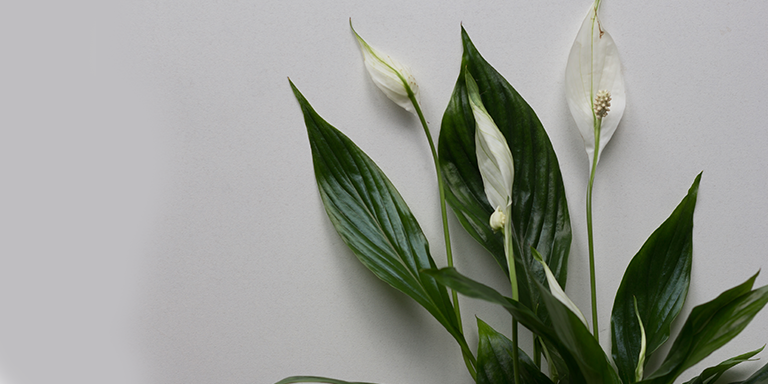
Introduction to the Peace Lily Plant
The Peace Lily plant is the special indoor plant that becomes a part of your personal space. Its green leaves and white flowers add to its soothing aura. Unlike many indoor plants, the Peace Lily is forgiving; it easily adapts and communicates through its leaves when something is off. Because it thrives under indoor conditions and brings freshness to any corner, it is considered among the most reliable houseplants in modern Indian homes.
Why Choose a Peace Lily for Your Home
The Peace Lily is a beautiful indoor plant that is functional, easy to care for, and very rewarding. If your home doesn’t receive strong sunlight, this will still be one that grows beautifully. If your home doesn’t receive strong sunlight, this will still be one that grows beautifully. If your space doesn’t get much sunlight, this indoor plant will be one that still grows beautifully. Lots of people keep it to make the atmosphere at home cleaner. Here’s why it’s so known:
- This plant grows well in low light.
- It signals dehydration by slight drooping
- It reduces indoor pollutants.
- It blooms indoors with basic care
These benefits make the Peace Lily a comforting element to any room.
How to Take Care of a Peace Lily Plant
The peace lily is easy to care for once you understand what the plant prefers. The three main things it responds to include watering, light, and soil. Set it in indirect sunlight, keep the soil lightly moist, and avoid cold drafts. It doesn’t like overwatering, so drainage is necessary. If your home is dry, you can mist the leaves occasionally. Generally, a healthy peace lily is upright, glossy, and fresh, so you’ll know by looking when the plant is happy.
- Keep it in bright, indirect light
- Water upon topsoil feeling a bit dry
- Use well-draining potting mix
- Wipe the leaves monthly to keep them breathing
Types of Peace Lily You Can Grow Indoors
There are beautiful varieties of Peace Lily, all suitable for indoor spaces. They differ in the texture of their leaves, their size, and the shape of their flowers, but their treatment is almost identical. For a desk or shelf, go compact with a Petite or a Domino. If you would like to place one in your living room, Sensation grows a bit larger. Popular options include:
1) Spathiphyllum Wallisii (Classic Peace Lily)
The most common Peace Lily you find in homes is Spathiphyllum Wallisii, because it adapts to indoor conditions. It stays compact, grows lush green leaves, and produces signature white blooms that brighten any corner. Wallisii does not demand strong sunlight and remains happy even in softly lit rooms, hence being ideal to place in bedrooms or on office desks. It’s also easy to read, light drooping tells you it needs water. If you want a reliable, low-maintenance indoor plant that looks graceful year-round, the Wallisii variety is the safest and most beginner-friendly choice.
2) Sensation Peace Lily Large Indoor Variety
The Sensation Peace Lily is adored because of its bold, oversized leaves, which make any room feel more dramatic and fresher instantly. Unlike other, smaller types, this can get really big, making it perfect for a living room, hallway, or spacious office corner. It likes low to medium light and appreciates more space around it due to its wide, tropical foliage. Sensation isn’t fussy but will do much better with consistent watering and being placed where it gets gentle sunlight with diffusion. This is an excellent choice if your interior space requires a statement plant but with ease in care.
3) Domino Peace Lily (Variegated Variety)
Such a unique variegation is the reason why the Domino Peace Lily stands out. It has leaves with a mix of green and creamy white patterns, which naturally brighten up any indoor corner. This variety grows like the classic Peace Lily but needs a little more indirect light to maintain its variegation. Even then, it stays low-maintenance and behaves just as patiently as other types. Domino works beautifully on shelves, tabletops, or well-lit corners where the patterns can be noticed clearly. If you want something elegant and slightly different from the usual green foliage, the Domino brings subtle charm without demanding extra effort.
4) Petite Peace Lily – Compact Variety
Petite Peace Lily is a small, neat variety of the classic plant and is perfect to be placed on desks, bedside tables, or small shelves. It has shorter leaves, which is excellent for those who want some greenery without using up too much space. Care is similar to other peace lilies: medium to low light, light watering, and well-draining soil. Despite its size, the Petite still produces delicate white flowers and fresh, clean foliage. If you’re decorating a small room, studio apartment, or office desk, this variety adds calmness and beauty without overwhelming the space.
Common Peace Lily Problems and Solutions
Peace Lilies are pretty hardy plants, but like all indoor plants, they sometimes develop minor problems. Many problems are caused by either improper watering or lighting. Yellow leaves are typically an indication of overwatering, while drooping shows a need for water. Dry, indoor air or over-fertilization usually shows up as brown leaf tips. These problems are usually very easy to correct when found early.
- Yellow leaves: little or no water
- Drooping: water straight away
- Brown tips: increase humidity
- No flowers: relocate it to bright light
Most problems can be readily corrected by listening to the plant.
Peace Lily Indoor Styling Ideas
A Peace Lily blends well with most home styles, whether modern, minimal, traditional, or boho. The plant adds height and structure to indoor corners and exudes calmness. You can try a medium-size Peace Lily near your sofa, study table, or bedroom window. It can also be paired with other smaller indoor plants.
- Use ceramic pots for a clean appearance
- Place it near low windows for soft lighting
- Plant in combination with leafy plants, such as pothos
- Keep a small variety on office desks or bedside tables
Its evergreen leaves give any indoor space a fresh feel.
How to Propagate Peace Lily Plants
Propagation of a Peace Lily is easy and generally done through plant division. As the plant grows denser, you’ll see several clumps arising from the base of the plant. Carefully separate these divisions during repotting, making certain each goes to a different pot. Each division should have some roots attached to it. Keep the soil slightly moist for the first two weeks.
- Divide mature root clumps
- Use well-draining potting soil
- Keep new plants in indirect light
- Water lightly until they settle
Propagation enables you to make new plants without any extra cost and also to distribute them among family and friends.
Where to Buy the Best Peace Lily Plants Online in India
Buying peace lilies online is convenient, but quality varies between stores. Every Peace Lily from Dutch Garden receives the right light, humidity, and nutrient care for healthy development so that it reaches you healthy to live a long, healthy life indoors. You get plants with robust roots, fresh foliage, and long-lasting blooms. Dutch Garden has a dependable option for every space in your home or office.
Conclusion
A Peace Lily is an ideal plant for modern indoor living: low-maintenance, stylish, and truly rewarding. Whatever your aim is, be it beautifying your home, freshening indoor air, or getting a plant that allows you to forget sometimes, this is the right plant for you. With the simple steps shared in this guide, you can keep the Peace Lily healthy, green, and blooming through the year. And when you’re ready to bring one home, Dutch Garden ensures you receive a plant that’s nurtured with care from the very beginning.
FAQ
What is Peace Lily flowering season in India?
The peace lily is known to flower during spring and early summer in India. This plant might be induced to flower later in the year with good care indoors, bright indirect light, regular watering, and infrequent feeding. Indoor conditions slightly shift the cycle, but often, this plant rewards you with seasonal white blooms if it is healthy.
What is the best potting soil for Peace Lily plants?
Peace Lilies need a loose, well-draining soil mixture that is always slightly moist but never soggy. The combination of cocopeat, compost, and perlite is working well for most Indian homes. This allows the roots to breathe while holding enough moisture to support healthy growth and frequent flowering.
Is peace lily an indoor plant?
Yes, the peace lily is among the best indoor plants for Indian homes. It thrives in low to medium light and thus can find its place in bedrooms, offices, and living rooms. And because of its air-purifying qualities and low-maintenance nature, it’s great for beginners, too.
Is peace lily a lucky plant?
This plant is often regarded as a lucky plant, as it represents harmony and positivity. People place it near entryways and living rooms to keep things in a state of calm and balance. Even though not everyone believes so, the plant does add a soothing touch indoors.
How often do peace lilies need watering?
Water your Peace Lily when the top layer of soil has dried slightly. In most Indian homes, this would be once every 5 to 7 days. When it needs water, it droops a bit, and its requirements are easily understood. It is not recommended to keep the soil moist at all times.
Can I sleep with a Peace Lily in my room?
Yes, you can. Peace Lilies release oxygen and help in improving indoor air quality, hence they are suitable for bedrooms, provided the plant remains a few feet from the bed and overwatering is avoided to prevent the accumulation of humidity in closed rooms.
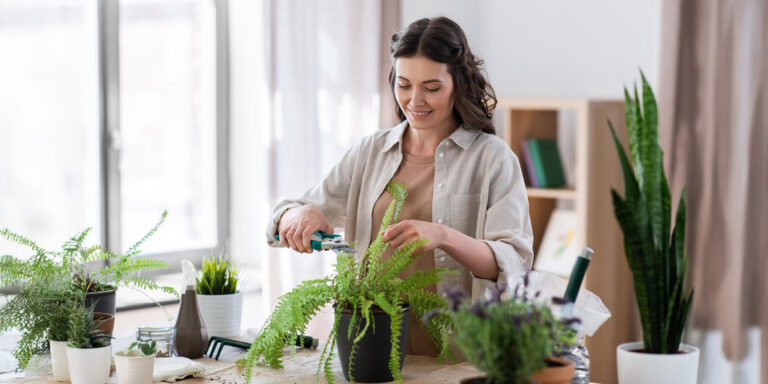




 Boston Fern
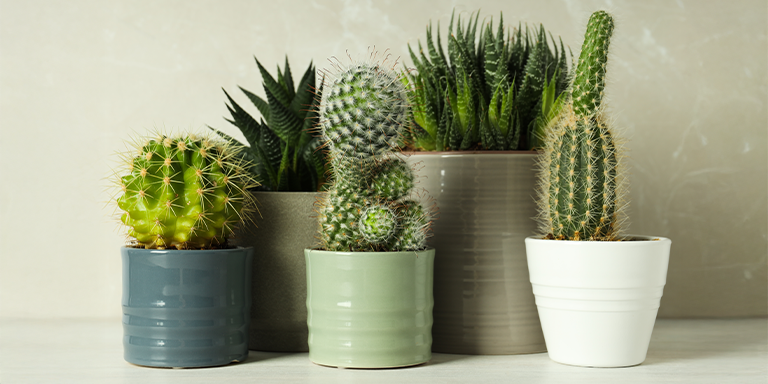
  Succulent