
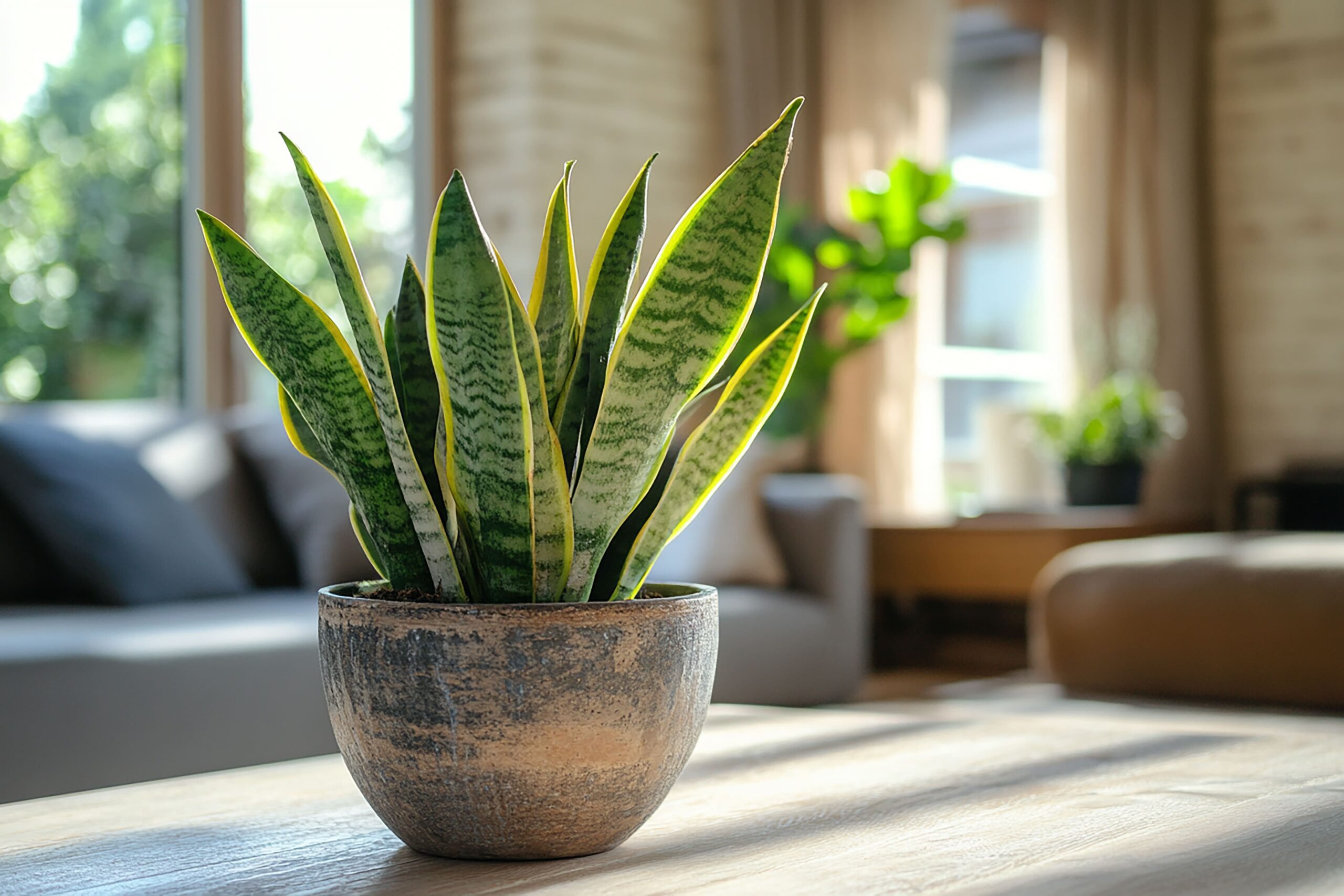
If you’ve ever had trouble keeping a houseplant alive, the snake plant might just be your passport to success. With its upright, thin leaves and striking patterns, this beautiful piece of art, also referred to by the scientific name Sansevieria trifasciata, is nearly impossible to destroy. It doesn’t require much, but it gives you back healthy green development and a sense of freshness that immediately picks up the mood in your home. Its striking sword-like leaves, ability to purify air, and near-indestructible nature make it a must-have for every home.
Regardless of whether you’re new to indoor gardening or whether you want to introduce more greenery into your home, here is all you need to know about snake plant care and its incredible benefits.
What Is a Snake Plant (Sansevieria)?
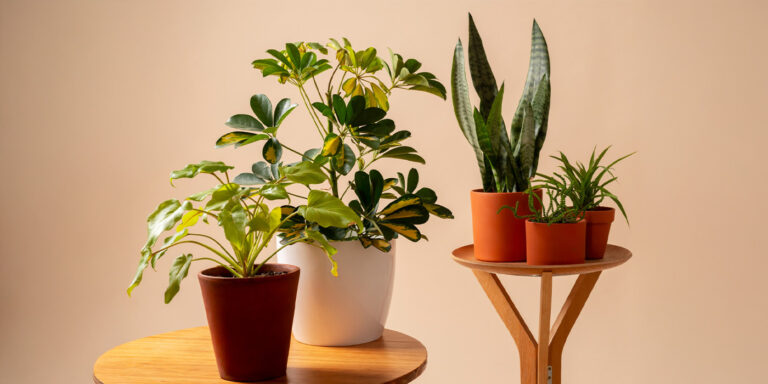
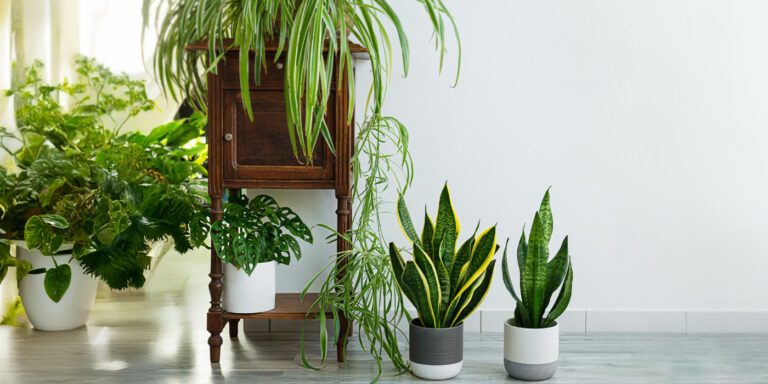
The snake plant, also referred to as mother-in-law’s tongue or Dracaena trifasciata, is an indestructible, evergreen plant that comes from West Africa. It has heavy, upright leaves with green striated patterns or yellow edges, creating a sculpted, contemporary appearance that easily blends into any domestic setting.
What the snake plant is particularly noted for is its hardiness. It can survive in very low light, spotty watering, and little care. It’s one of those plants that appear to thrive less the more you tend to it. Due to this, it’s a favorite among beginners and busy owners alike.
Top 10 Benefits of a Snake Plant for Your Home
The 10 benefits of snake plants extend far beyond appearance. Ten good reasons to have one in your home are listed below:
- Air Purification: Snake plants eliminate indoor air pollutants like benzene, xylene, and formaldehyde, as proved by NASA’s Clean Air Study.
- Nighttime Oxygen: They release oxygen at night too, unlike other plants, improving bedroom air.
- Low Maintenance: Kind to neglect, low light, and occasional watering.
- Improves Humidity: Maintains a fresh and comfortable room.
- Natural Stress Reliever: Research indicates green plants alleviate anxiety and enhance focus.
- Allergy-Friendly: Cleaner air will minimize slight respiratory irritations.
- Aesthetic Value: Their columnar shape provides elegance and depth to a room.
- Compact and Adaptable: Just as beautiful in tight spaces, on a desk, or in large containers.
- Durability: Pest-proof and long-lasting.
- Symbol of Positivity: It is regarded in most cultures as a plant that invites good energy and protection.
Snake Plant Care Guide for Beginners
Taking care of a snake plant indoors is simpler than most people would think. Consider it the definition of a low-maintenance plant. It does not require daily watering and direct sunlight; rather, it prefers if you just leave it alone.
Positioning it in a light, indirect light position in front of a window receiving soft sunlight is ideal. If your house doesn’t receive much light, don’t panic; the snake plant will even do fine with artificial light.
Utilize well-draining potting soil, preferably a type designed for cacti or succulents. Ensure that the pot includes drainage holes since the only true nemesis of a snake plant is overwatering.
How Often to Water Snake Plant for Healthy Growth
If you can recall one tip on how to water a snake plant, it’s this: less is more. Snake plants retain water in the leaves, and therefore, they don’t require being watered too often.
Water only when the upper 2–3 inches of soil are dry to the touch. In most houses, that is every 2–3 weeks during the summer and only once a month during winter. Root rot is the most frequent error plant owners commit due to overwatering.
Always drain the saucer after watering to prevent standing water.
Light Requirements for Snake Plant Indoors
Snake plant light needs are adjustable, and that’s just one of the reasons they’re so well-loved. It can survive in low-light corners and sunny windowsill spots. It grows best, though, in medium, indirect light.
If you find that the leaves turn pale or limp, your plant is not receiving enough light. Conversely, intense direct sun for extended periods of time will burn the leaves. Balance is the solution, bright but filtered light will make it strong and colorful.
Common Problems and How to Fix Them
Although snake plants are resilient, they can experience a few problems if abandoned or overpampered.
- Yellow Leaves: Typically from overwatering. Allow soil to dry out thoroughly before the next watering.
- Soft or Mushy Leaves: Waterlogged soil or root rot, trim out damaged areas and repot in dry soil.
- Brown Tips: Either dry air or excess fertilizer. Experiment with misting every now and then or cut back on feeding.
- Slow Growth: Inadequate light or a pot that is too small may limit growth. Give it more light or repot every 2–3 years.
Generally speaking, snake plants are extremely tolerant and recover fast once things are put right.
Why Every Home Should Have a Snake Plant
Every home deserves at least one snake plant, and not just for its looks. It’s one of those rare indoor plants that genuinely improve your environment while asking for almost nothing in return.
It makes your air cleaner, adds structure and color to your interiors, and creates a calm, breathable atmosphere. Whether placed in the living room, bedroom, or office, it subtly enhances mood and freshness.
For new plant parents, the snake plant is a perfect first step into indoor gardening. For experienced ones, it’s a classic you’ll always come back to.
FAQ
Is snake plant good for indoors?
Yes, the snake plant is one of the most effective indoor plants you can have. It has low-light tolerance, purifies the air, and is ideal for homes and offices. It also gives your indoor space a touch of modern, natural feel.
Is snake plant good or bad luck?
Numerous individuals assume that the snake plant is auspicious and has beneficial energy. According to Feng Shui, it’s one of those plants that repel bad vibes and invite growth and protection into the home.
Can I sleep with a snake plant in my room?
Yes. Snake plants release oxygen during the night, which is different from other plants, so they are perfect for your bedroom. They enable you to breathe easier and sleep in fresher air, especially when put against a window.
How do you care for a snake plant indoors?
Position it in indirect light, water sparingly when soil is dry, and don’t overfeed it. Provide a plant pot with drainage and good draining soil. Gently clean leaves periodically to enable them to breathe and let light penetrate effectively.
Where is the best place to put a snake plant?
Snake plants thrive anywhere indoors, by windows, in corners, or against furniture. The ideal location is one with bright, indirect light and little temperature variation.
Is it good to keep a snake plant at home?
Yes. In addition to its low-maintenance requirements, the snake plant purifies indoor air, alleviates stress, and contributes to beauty. It’s one of the most useful and stunning houseplants you can cultivate.